
Why Do My Drains Smell? Causes and Fixes for Slough Homes
Dealing with unpleasant smells coming from your drains is a common issue for many homeowners in Slough and the surrounding Berkshire towns. These odours can be off-putting, affect your home’s comfort, and sometimes indicate more serious drainage problems if left unchecked. Understanding why drains smell and how to tackle the issue can save you time and costly repairs down the line.
Whether you live in Slough, Burnham, Datchet, or nearby areas like Wraysbury or Old Windsor, drains often experience similar challenges due to household usage and local water conditions. This article explores the typical causes of smelly drains, how to trace the source of the odour, and which solutions you can safely attempt yourself versus when professional help is recommended.
Common Causes of Smelly Drains in Slough Homes
One of the primary reasons drains smell is due to dried-out traps. Drains contain a U-shaped pipe called a trap that holds water to block sewer gases from coming back into your home. If a trap dries out, usually in sinks or showers rarely used, unpleasant gases can escape and cause detectable odours.
Another frequent cause is blocked gullies. Gullies collect surface water and channel it into the main drainage system. When debris, leaves, or fat accumulates here, it can cause stagnation and odours. In Slough’s suburban homes, garden debris and kitchen waste can often clog these gullies, especially during wetter months.
Damaged or cracked drainage pipes are less common but can release foul smells as wastewater seeps out underground. Given Slough’s mix of older and newer housing stock, ageing pipes in older properties around towns like Egham or Uxbridge may be more prone to cracks or leaks leading to smells.
Lastly, fat, oil, and grease build-up inside kitchen drains is a notorious source of smell. Cooking fats solidify in cooler pipes, trapping food particles and bacteria that emit bad odours. This is a widespread issue in homes across Berkshire, particularly where disposal or grease-trapping isn’t regularly maintained.
How to Identify the Source of Drain Smells
The first step in dealing with smelly drains is to locate exactly where the smell is strongest. Start by checking all nearby sinks, showers, and toilets to see if the odour is concentrated in a particular area. In Slough homes, it’s often the kitchen or bathroom drains that cause the biggest issues.
Try running water in each drain for a few seconds; if the smell dissipates, it might indicate a dried-out trap that needs refilling. If the smell persists, it’s worth inspecting external gullies or manholes near your property boundary, particularly around homes in areas like Burnham or Gerrards Cross where garden drainage might be involved.
Another helpful method is to sniff cautiously around pipe joints, especially if you suspect a damaged pipe underground. If you notice the smell worsening after heavy rain, it could be linked to blocked or damaged gullies preventing proper drainage flow.
Fixing Dry Traps: A Simple DIY Solution
Dry traps are one of the easiest causes to fix yourself. Simply running water down seldom-used sinks, showers, or floor drains regularly will refill the trap and block sewer gases. In Slough homes with spare guest bathrooms or outbuildings, this simple habit can prevent odours from developing.
If water isn’t enough, pouring a small amount of cooking oil after water can help slow evaporation in traps, especially during dry weather or in rarely accessed areas. This method is cost-effective and requires no special tools.
For outdoor gullies or soakaways where traps might dry out, topping up with water is also effective. Just be mindful not to force water into blocked systems, as this could cause overflow or flooding.
Dealing with Blocked Gullies and Fat Build-up
Blocked gullies often need a more hands-on approach. Clearing leaves, mud, and debris by hand or with a garden hose can sometimes restore flow and eliminate smells. Homeowners in Slough and nearby Datchet often find this straightforward, especially if gullies are easily accessible.
However, stubborn fat build-up and grease blockages inside pipes require different treatment. Pouring boiling water combined with natural degreasers like bicarbonate of soda and vinegar helps break down fats. Avoid chemical drain cleaners as they can damage pipes and harm local waterways in Berkshire.
For persistent blockages, a drain snake or manual rod can be employed to physically break up fat deposits. These tools are affordable and available from DIY stores serving Slough and surrounding towns.
When to Call a Professional Drainage Service
Some drainage problems, such as cracked pipes or severe blockages deep underground, are beyond typical DIY fixes. If smells persist despite your efforts, or if you notice water pooling outside near gullies, it’s wise to consult a professional.
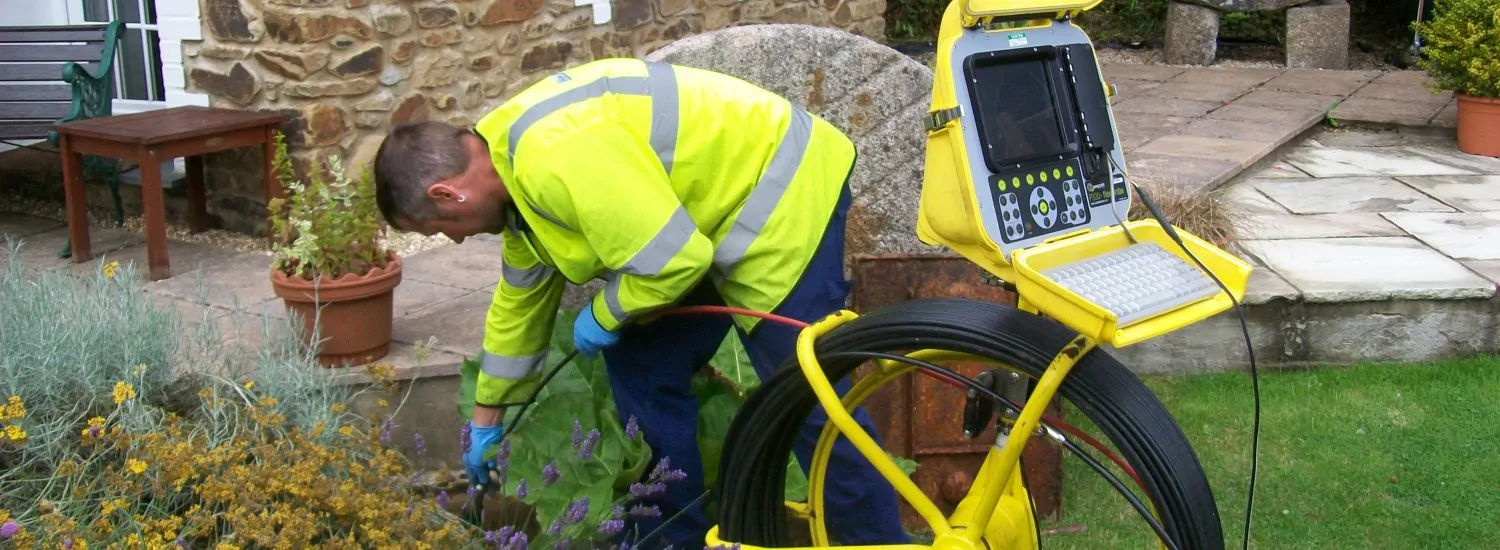
Experts have specialised equipment such as CCTV drain cameras to inspect pipe conditions beneath properties in Slough, Old Windsor, or Egham without excavation. They can accurately diagnose issues like collapsed drains or root ingress, which commonly affect older properties in the Berkshire region.
Professional drainage engineers also have high-pressure water jetting tools and mechanical clearance machines that can remove stubborn fat, grease, and debris build-ups safely. Using their services can prevent recurring odours and more costly structural damage.
Preventative Maintenance Tips for Slough Homeowners
Regular drainage maintenance can help avoid smelly drains in the future. In Slough and neighbouring towns such as Iver or Wraysbury, homeowners are advised to routinely flush drains with hot water and safe cleaning mixtures to keep pipes clean.
Mindful disposal of fats and food waste is crucial. Instead of pouring cooking oil down the sink, collect it for recycling or disposal at local household waste recycling centres in Berkshire. Using sink strainers to catch food particles also reduces blockages and smells.
During colder months, inspect outdoor gullies and water traps more frequently. This is when water evaporation and debris accumulation are common. Simple upkeep can keep your drainage system operating smoothly and your home fresh.
How Local Water and Weather Conditions Affect Drain Smells
Berkshire’s climate, including the relatively wet conditions around Slough, can influence drainage system performance. Heavy rains sometimes overwhelm local gullies and soakaways, causing slow drainage and smells as organic matter breaks down in standing water.
Conversely, during drier spells, traps dry out faster, allowing sewer gases into homes. This seasonal variation means homeowners should adjust maintenance routines accordingly, checking traps more often in summer and clearing gullies in autumn after leaf fall.
Additionally, water hardness and mineral content in the Slough area can affect pipe encrustation and bacterial growth, subtly impacting drain odours. Understanding these factors can help residents manage their home drainage more effectively.
Need a drainage expert in Slough?
Call 01753 358155