
Outside Drains and Gullies: A Guide for Slough Homes
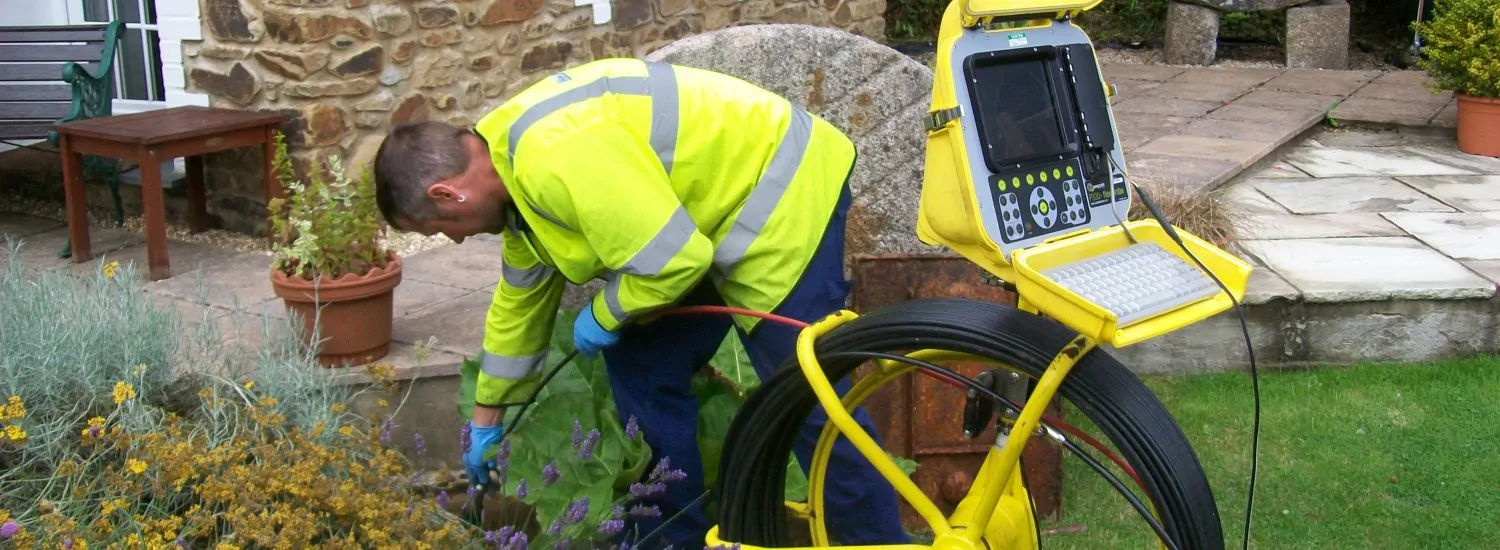
For homeowners in Slough and the wider Berkshire area, understanding the workings of outside drains, gullies, and channel drains is essential to maintaining a dry and healthy property environment. These drainage features play a crucial role in directing rainwater away from your home, preventing water damage and issues such as damp and flooding.
Many local properties in Slough and nearby towns like Burnham, Datchet, and Uxbridge face common drainage challenges due to the region’s varied rainfall patterns and urban development. With a little knowledge on how these systems operate and why blockages occur, you can protect your home and garden more effectively throughout the year.
How Outside Drains, Gullies, and Channel Drains Work
Outside drains, gullies, and channel drains form an interconnected system designed to collect and divert surface water from roofs, patios, driveways, and gardens. Gullies are typically recessed chambers with a grated cover set into paved areas, collecting water before it flows into larger underground drain pipes.
Channel drains, often found along driveways or patios, are linear trenches covered with grates that capture surface water over a wider area. These systems are vital in Slough properties where heavy rainfall can quickly saturate gardens and paved surfaces, especially in low-lying spots common near the River Thames corridor.
Once water enters these drains, it travels through underground pipes to public sewers or soakaways. Properly functioning drains prevent pooling that could otherwise damage foundations, encourage mould growth, or create slip hazards around your home.
Why Leaves, Silt, and Debris Block Drains
One of the most frequent causes of blocked outside drains in Slough and the surrounding Berkshire towns is the accumulation of natural debris such as leaves, twigs, and silt. Slough’s leafy suburban gardens and nearby parks mean that autumn, in particular, brings a high volume of leaves that settle on drain grates and in gullies.
Silt and fine soil particles also wash into drains from garden beds and unpaved areas during heavy rain, gradually building up inside underground pipes. This layer of sediment reduces water flow and can eventually cause blockages if left unchecked for months or years.
Ignoring these blockages can lead to unpleasant smells, slow draining water, or even flooding during heavy storms. Regular clearing of visible debris and annual cleaning of gully chambers can help prevent these problems.
Seasonal Maintenance for Slough’s Outside Drains
The best way to keep your outside drainage working well throughout the year is to carry out seasonal maintenance. In Slough, autumn requires particular attention as falling leaves rapidly clog gullies and grates. Raking leaves away from drain covers and checking for any surface pooling after rain can help catch issues early.
Winter brings wetter conditions, increasing the volume of water your drainage must handle. Make sure that drains are clear of debris and that any damaged grates or covers are repaired promptly to avoid accidents or further blockage.
Spring and summer are ideal times to inspect channel drains and gullies for silt buildup and clean them out as needed. You might also consider professional gully clearance every couple of years to remove deep-set debris and ensure the system is flowing freely.
What Standing Water Around Your House Means
Standing water near your home’s foundation or on patios and driveways is often a sign that outside drains or gullies aren’t working effectively. In Slough, where soils can range from clay-heavy to sandy across different neighbourhoods, poor drainage quickly leads to puddles that can persist for days.
This surface water can seep into foundations or basement areas, causing damp problems that may damage plasterwork, encourage mould, and potentially affect structural integrity over time. It might also create slippery surfaces, increasing the risk of falls.
If you notice regular water pooling despite rainfall not being excessive, it’s wise to inspect your outside drainage system for blockages or damage. Sometimes, changes in local ground levels brought on by nearby construction or gardening works can alter drainage patterns, so keep an eye on anything new around your property.
How Local Weather and Geography Affect Drainage in Slough
Slough’s position near the Thames Valley means the town and nearby areas like Wraysbury and Old Windsor experience variable weather that often includes heavy rainfall, especially in autumn and winter months. Local drainage systems must cope not only with urban runoff but also with natural water flow from surrounding fields and green spaces.
The soil composition in parts of Berkshire, including clay-heavy patches common around Burnham and Gerrards Cross, can slow water absorption, increasing reliance on effective surface drains to carry water away quickly. Properties built on sloping sites or near riverbanks may also face additional drainage challenges.
Understanding these local factors can help when planning maintenance or upgrades for outside drains and gullies. If your property is in a known wetter area or near watercourses, regular inspection and timely clearing become even more important to avoid damage.
Simple DIY Checks and When to Call a Professional
Slough homeowners can carry out simple checks themselves, such as removing leaves from grates, clearing visible debris, and observing how quickly water drains after rainfall. Putting on gloves and a torch to peer into gully chambers can reveal if silt buildup is present or if any damage is visible.
However, if blockages persist after basic cleaning, or if you notice foul odours, repeated flooding, or damaged pipes, it’s wise to seek expert help. Professionals can perform thorough drain surveys, jet washing, and CCTV inspections to diagnose hidden problems beneath the surface.
Early intervention can save money and prevent more serious issues, especially in older Slough properties where drainage infrastructure may date back decades. Reliable maintenance ensures your garden stays enjoyable and your home remains protected year-round.
Drainage Considerations for Gardens and New Builds in Slough
Many gardens in Slough are mature with established trees and shrubs whose leaves can add to the drainage workload. Gardeners should be mindful to prevent compost, grass cuttings, or soil from washing into gullies and drains, which can accelerate blockages.
In new build developments around Slough and nearby towns like Iver or Marlow, drainage systems are usually modern but still require regular maintenance. Ensuring that installed channel drains are free of debris and that landscaping does not impede water flow is important to maintain efficient drainage.
Planning any garden changes or extensions should include drainage considerations to avoid future problems. Consulting local guidelines or experts familiar with Berkshire’s drainage conditions can help ensure you protect your investment and comply with regulations.
Need a drainage expert in Slough?
Call 01753 358155